
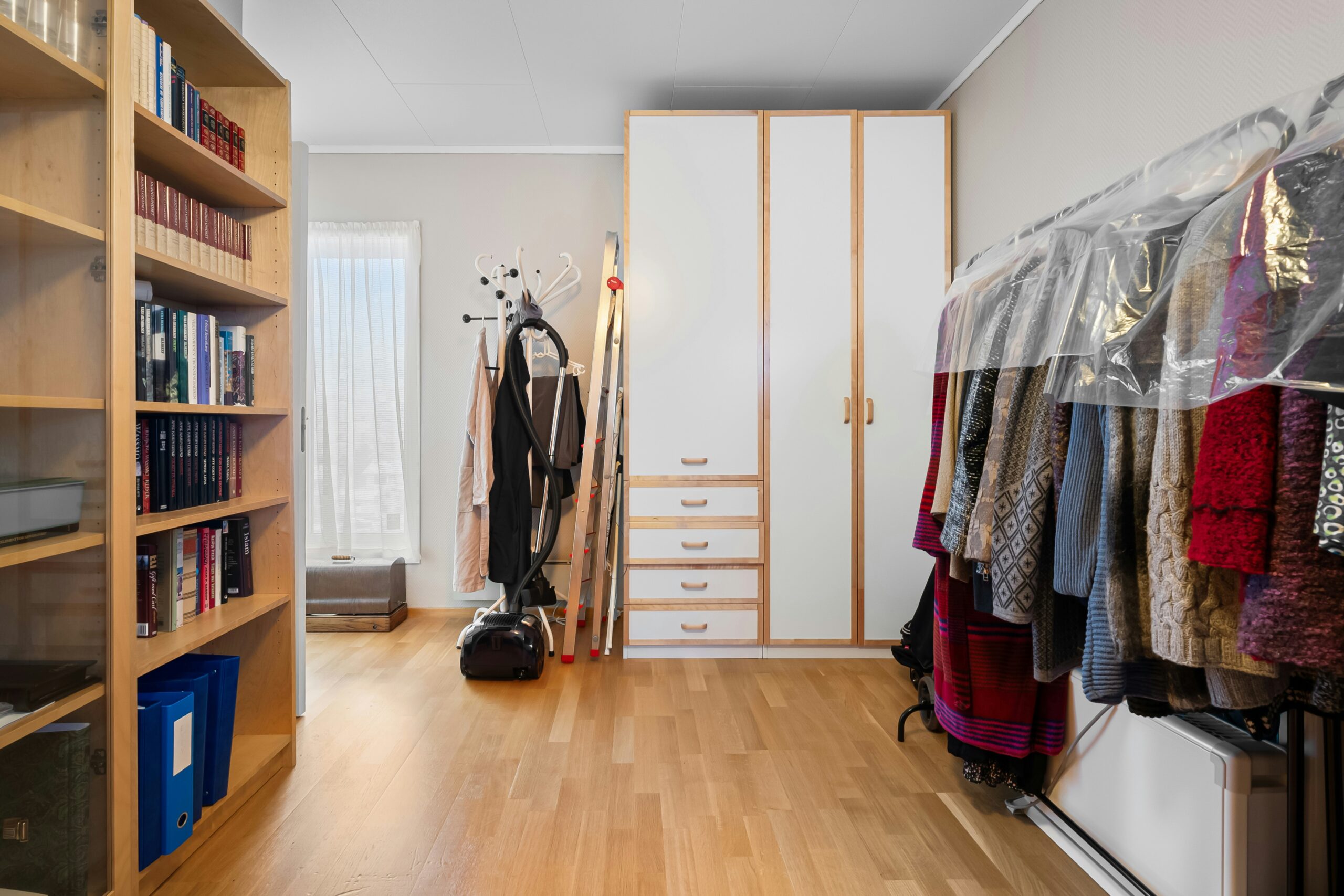
Living in a small apartment can feel overwhelming when clutter builds up quickly. Without proper systems, limited space turns into daily frustration. These small apartment organization tips will help you create a functional, organized home without buying expensive storage solutions. By using smarter layouts and simple habits, you can make your apartment feel bigger and easier to maintain.
Good news: you don’t need to.
This guide is packed with practical, renter-friendly strategies to organize a small apartment using what you already have — furniture, layout, habits, and smarter placement.
No fluff. Just real solutions that work.
Start With What You Actually Use
Before you reorganize anything, you need to reduce what you’re organizing.
Do a “Real Life” Declutter
Instead of asking, “Do I love this?” ask:
- Have I used this in the last 6 months?
- Would I notice if it disappeared?
- Does this fit my current lifestyle?
In a small apartment, unused items cost you space — and space is expensive.
Focus on:
- Duplicate kitchen tools
- Extra linens
- Clothes you don’t wear
- Old paperwork
- Random “maybe someday” items
You’re not trying to become a minimalist. You’re trying to make your apartment functional.
Rethink Your Layout (Before You Add Anything)
Most small apartments feel cramped because of layout, not square footage.
Float Furniture Away From Walls
It sounds counterintuitive, but pushing everything against walls often creates dead zones.
Try:
- Pulling the couch 3–6 inches off the wall
- Angling a chair into a corner
- Moving a bookshelf to divide a room
Creating zones (living area, dining area, workspace) makes a space feel organized even without extra storage.
Use Furniture as Room Dividers
If you live in a studio or open layout:
- Turn your couch to separate sleeping and living areas
- Use a desk as a boundary
- Place a dresser at the foot of your bed
You’re organizing space, not just stuff.
Make Vertical Space Work Harder
You may not be buying storage, but you probably already have vertical surfaces that are underused.
Stack Smarter Inside Closets
Without buying organizers:
- Stack shoes in pairs heel-to-toe
- Store off-season clothes inside suitcases
- Use the top closet shelf for rarely used items
- Hang multiple bags on one sturdy hanger
If you have extra hangers, double-hang lighter items like tank tops or scarves.
Use the Back of Doors
No special over-the-door rack needed.
- Hang robes, jackets, or bags directly on existing hooks
- Use removable adhesive hooks (renter-friendly)
- Install temporary tension rods inside closets
Even one extra hook can clear a chair that’s become a “clothes pile.”
Organize by Visibility, Not Just Storage
In small apartments, hidden clutter turns into forgotten clutter.
Keep Everyday Items Accessible
If you use something daily:
- It should be easy to grab.
- It should have one clear home.
Examples:
- Keys go in one bowl by the door.
- Mail gets sorted immediately (not stacked).
- Laptop always returns to the same surface.
You’re creating frictionless habits.
Store by Frequency, Not Category
Instead of grouping everything by type, group by use.
For example:
- Put your most-used pan at the front of the cabinet.
- Keep your daily skincare at eye level.
- Store seasonal decor in harder-to-reach places.
Function first. Pinterest later.
Use What You Already Own as Storage
You don’t need bins if you already have containers.
Repurpose Everyday Items
- Suitcases → Off-season clothing storage
- Decorative bowls → Keys and loose change
- Empty shoeboxes → Drawer organizers
- Large tote bags → Extra blankets
- Laundry baskets → Temporary sorting zones
Look around before shopping.
Make Furniture Multi-Functional
If you’re renting, you likely already own furniture. Use it differently.
Bed = Storage Base
Without buying under-bed containers:
- Slide flat boxes you already have underneath
- Store luggage under the bed
- Use extra bedding as padding for stored items
Even 6–8 inches of clearance is usable.
Coffee Table = Command Center
Instead of letting it collect clutter:
- Limit it to 3 items max (remote, book, candle)
- Store magazines vertically in a basket you already own
- Keep surfaces clear to visually “expand” the room
Clear surfaces make small apartments feel organized instantly.
Control Paper Before It Takes Over
Paper is one of the biggest space thieves in small apartments.
Create a Simple Paper Rule
- Immediately recycle junk mail.
- Digitize what you can.
- Keep one small folder for important documents.
If paper doesn’t have a designated place, it becomes a pile.
And piles shrink rooms.
Use the “One In, One Out” Rule
In small apartments, growth must be controlled.
Every time you bring something new home:
- Remove something similar.
Bought a new hoodie? Donate an old one.
New kitchen gadget? Get rid of a duplicate.
This keeps your space stable.
Organize Kitchen Cabinets Without Buying Inserts
Small apartment kitchens are notorious for awkward cabinets.
Stack by Height
Put:
- Plates on bottom shelves
- Bowls stacked inside larger bowls
- Mugs inside one another if possible
Keep heavier items lower for easy access.
Use Tension Rods
If allowed, tension rods can:
- Divide baking sheets vertically
- Hold cleaning supplies upright under the sink
- Create mini shelves inside cabinets
They’re inexpensive and removable.
Make Your Entryway Work (Even If It’s Tiny)
Many apartments don’t have a real entryway. But clutter tends to gather near the door.
Create a Drop Zone
Without buying furniture:
- Use a small table you already own
- Add a bowl for keys
- Hang 2–3 hooks for bags and jackets
- Keep shoes in one defined spot
Even a 2-foot area can be organized with intention.
Organize the Bathroom With What You Have
Small apartment bathrooms often lack drawers and storage.
Limit Counter Items
Keep only:
- Daily-use products
- One decorative item (if any)
Everything else goes:
- Under the sink
- In an existing basket
- On a single shelf
Visual clutter makes small bathrooms feel smaller.
Roll Towels Vertically
Instead of stacking towels flat, roll them and place them upright.
This:
- Saves space
- Makes it easier to grab one
- Looks cleaner instantly
Tackle the “Chair Pile” Problem
Almost every renter has a chair that becomes a laundry magnet.
Here’s the fix:
- Install one extra hook nearby.
- Designate a small basket for “wear again” clothes.
- Commit to resetting it every Sunday.
The goal isn’t perfection. It’s containment.
Reset Your Apartment in 10 Minutes a Day
Organization isn’t a one-time event.
Try this daily reset:
- Clear surfaces (coffee table, kitchen counter).
- Put clothes back where they belong.
- Sort mail.
- Wash dishes or load dishwasher.
- Return items to their “home.”
Ten minutes daily prevents weekend overwhelm.
Make It Feel Bigger (Without Changing Anything)
Organization is partly visual.
Use Negative Space
Empty space is not wasted space.
- Leave some shelves partially empty.
- Don’t fill every wall.
- Keep some surfaces clear.
Small apartments feel calmer when they can “breathe.”
Match Storage to Decor
If something must stay visible, make it cohesive:
- Use matching hangers.
- Keep baskets similar in tone.
- Fold blankets neatly.
Consistency reduces visual noise.
Think in Systems, Not Spots
The biggest mistake renters make is organizing one drawer at a time.
Instead, create systems:
- A laundry system.
- A mail system.
- A kitchen reset routine.
- A seasonal rotation plan.
Systems prevent clutter from returning.
Quick FAQ
How do I organize a small apartment with no closet space?
Use vertical space, under-bed storage, and furniture as dividers. Rotate seasonal clothing into suitcases and keep only current-season items accessible.
How do I stop clutter from coming back?
Create simple rules:
- One in, one out.
- Daily 10-minute reset.
- Every item must have a home.
Without systems, clutter returns.
Is it possible to stay organized in under 600 square feet?
Yes. Smaller spaces actually require fewer systems — just more consistency. The key is reducing excess and keeping surfaces clear.
What’s the biggest mistake renters make?
Buying storage before decluttering. More bins won’t fix too many items.
Final Thoughts
Organizing a small apartment without buying storage isn’t about squeezing more into less space.
It’s about:
- Owning less.
- Placing smarter.
- Resetting regularly.
- Creating habits that support your layout.
You don’t need more shelves.
You need better systems.
And once those systems are in place, even a tiny apartment can feel calm, functional, and surprisingly spacious.
If you live in a studio, you may also want to learn how to organize a studio apartment efficiently.
Practical Small Apartment Organization Tips That Actually Work